
 Kitchen products
 Stainless steel products
 Serving & Hospitality Products
 Sports products
 Home Products
 Kids Products
 Glass products
 Picnic Products
The Ultimate Guide to Choosing the Best BPA-Free Bottle for You
Bisphenol A (BPA) is a chemical compound commonly found in polycarbonate plastics and epoxy resins. It has been used in the production of various consumer goods, including water bottles, food containers, and even receipts. However, concerns have been raised about the potential health risks associated with BPA exposure.
Research has suggested that BPA can mimic the hormone estrogen in the body, leading to potential adverse effects on the endocrine system. Furthermore, BPA has been linked to various health issues, including reproductive disorders, developmental problems in children, and an increased risk of certain cancers. As a result, many consumers have become increasingly wary of products containing BPA and have sought out BPA-free alternatives to mitigate potential health risks.
Factors to Consider When Choosing a BPA-Free Bottle
BPA-free bottles have specific standards that are crucial for choosing the best option. For more information about these standards, you can refer to the article BPA-Free Standard and Its Importance.
First and foremost, it is essential to look for bottles that are explicitly labeled as “BPA-free” to guarantee that they do not contain this potentially harmful chemical. Additionally, consider the material of the bottle, as BPA-free options are available in various materials such as stainless steel, glass, and certain types of plastic.
The durability and insulation properties of the bottle are also crucial factors to consider, especially if you plan to use it for outdoor activities or sports. Furthermore, the ease of cleaning and maintenance, as well as the overall design and size of the bottle, should be taken into account to ensure that it meets your specific requirements.
The Best BPA-Free Bottles for Sports and Outdoor Activities
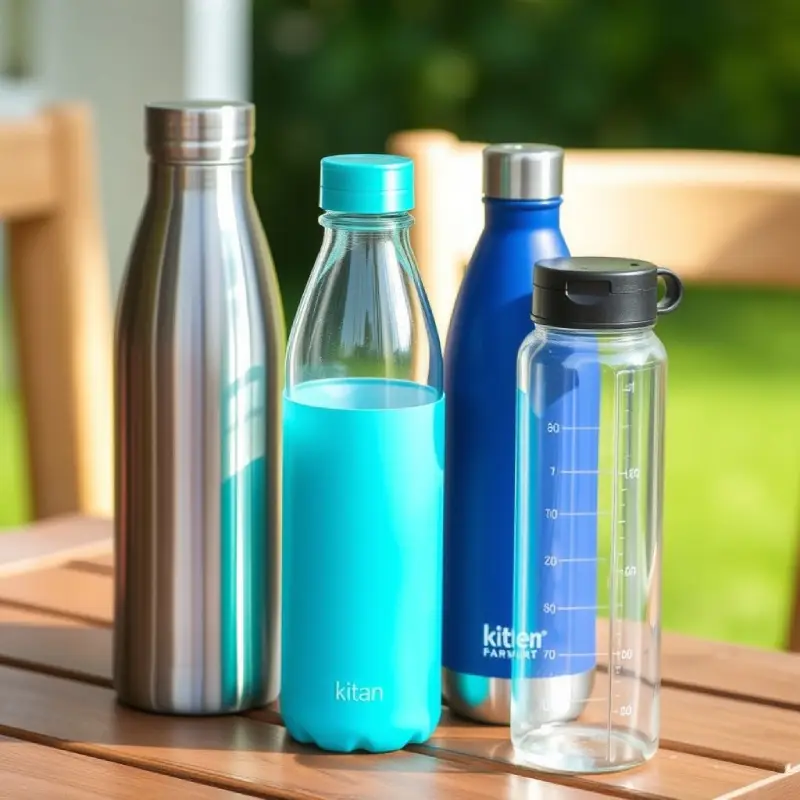
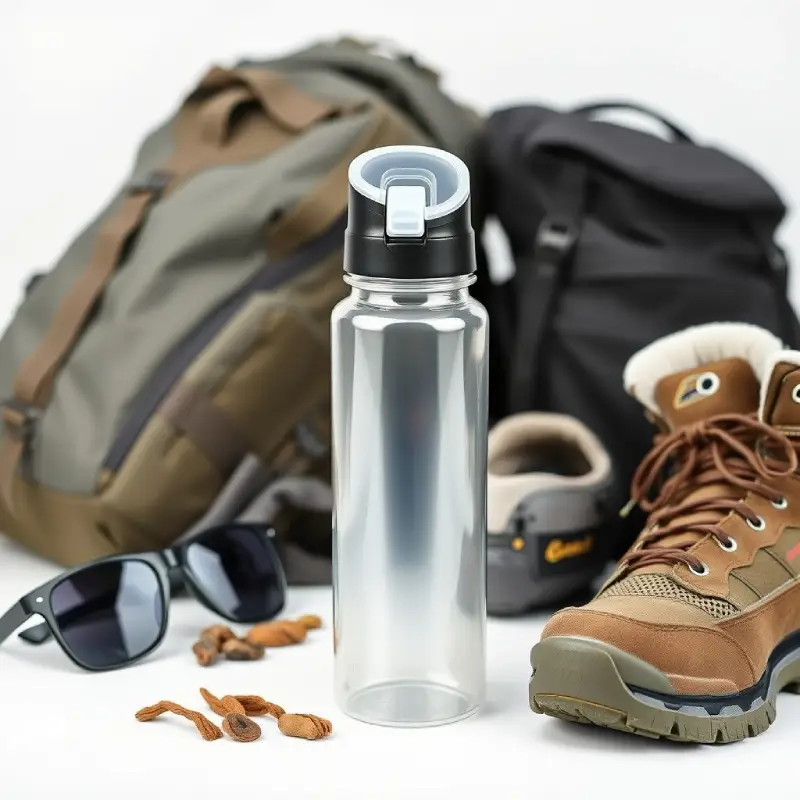
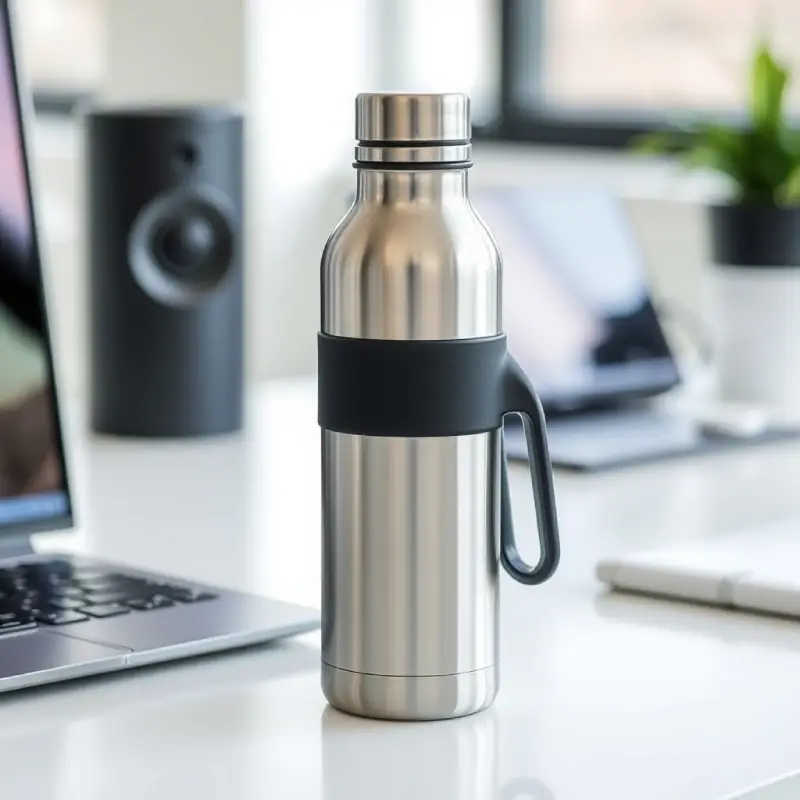
For individuals who lead an active lifestyle and require a reliable BPA-free bottle for sports and outdoor activities, there are several top-notch options available on the market. Stainless steel bottles are a popular choice due to their durability, excellent insulation properties, and resistance to corrosion. Brands such as Hydro Flask and Klean Kanteen offer a wide range of BPA-free stainless steel bottles designed specifically for sports enthusiasts.
Additionally, Tritan plastic bottles, which are free from BPA and other harmful chemicals, are lightweight and impact-resistant, making them ideal for outdoor use. CamelBak and Nalgene are renowned for their high-quality BPA-free Tritan bottles that cater to the needs of active individuals.
If you’re looking for the best bottle for your workout, the article Best Workout Water Bottle can help you find the perfect option.
Comparing Different Materials for BPA-Free Bottles
| Material | Pros | Cons |
|---|---|---|
| Stainless Steel | Durable, doesn’t retain flavors | Heavier, can dent or scratch |
| Glass | Doesn’t leach chemicals, easy to clean | Fragile, can break if dropped |
| Silicone | Flexible, lightweight | Can retain odors, not suitable for hot liquids |
| Plastic (BPA-Free) | Lightweight, affordable | Possible chemical leaching, not as durable |
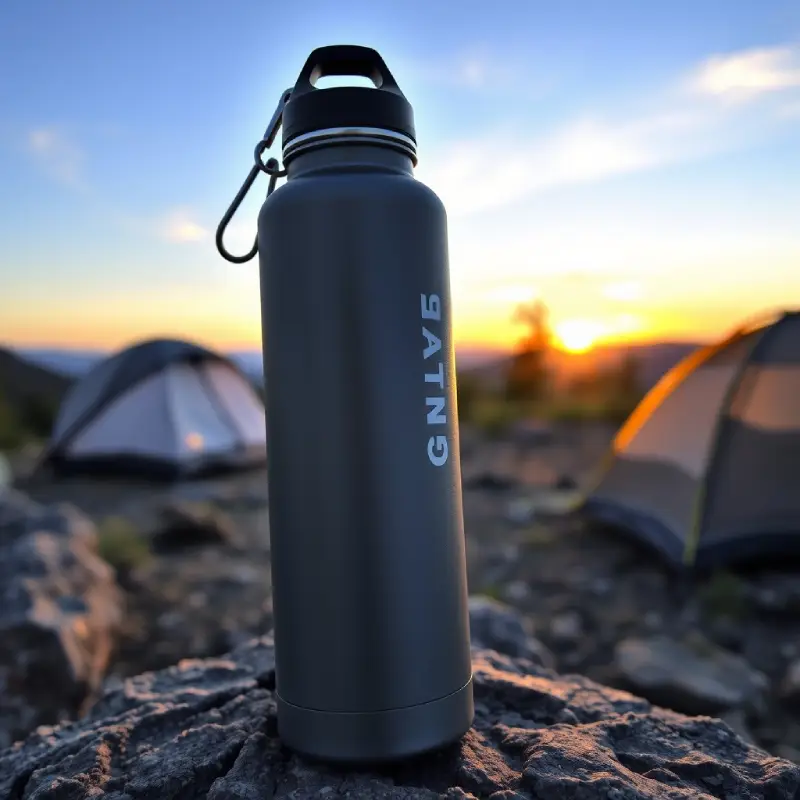
When comparing different materials for BPA-free bottles, it is essential to weigh the pros and cons of each option to make an informed decision. Stainless steel bottles are prized for their durability, resistance to corrosion, and excellent insulation properties, keeping beverages hot or cold for extended periods. Glass bottles, while fragile, offer a clean and pure taste without any risk of chemical leaching.
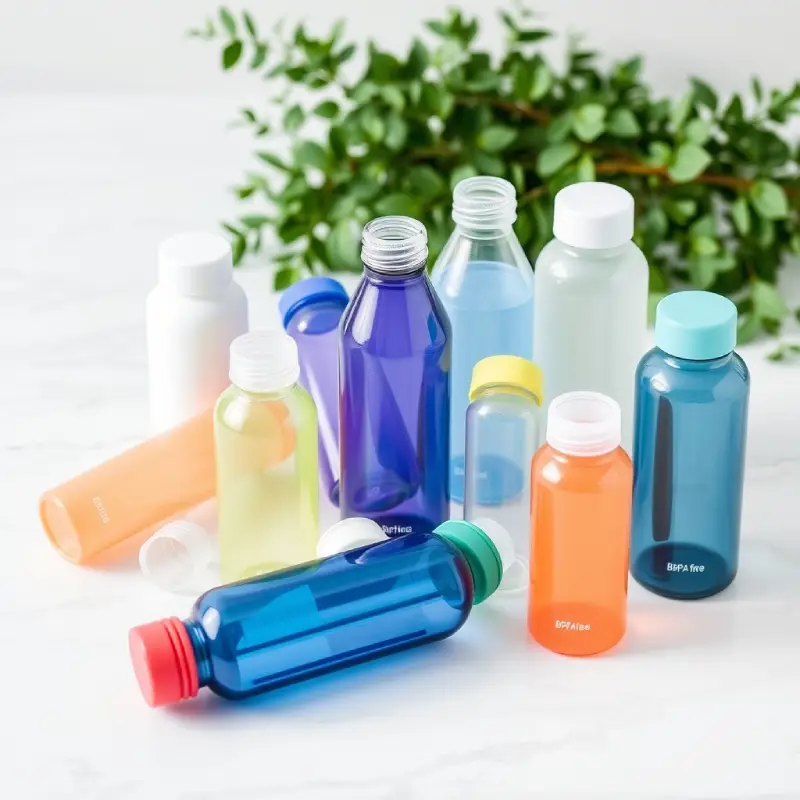
Tritan plastic bottles strike a balance between durability and lightweight design, making them suitable for various activities. Each material has its unique advantages, and the choice ultimately depends on individual preferences and specific usage scenarios.
For more insights into the best materials for sports water bottles and their features, you can check out the article Best Material for Sports Water Bottles.
Tips for Maintaining and Cleaning Your BPA-Free Sports Bottle
Proper maintenance and cleaning of your BPA-free sports bottle are essential to ensure its longevity and hygiene. Regularly washing the bottle with warm soapy water and thoroughly rinsing it is crucial to prevent the buildup of bacteria or odors. Many BPA-free bottles are dishwasher-safe, but it is advisable to check the manufacturer’s guidelines to avoid any potential damage to the bottle or its components.
For stainless steel bottles, using a bottle brush can effectively remove any stubborn residue or stains. Additionally, allowing the bottle to air dry completely after cleaning helps prevent the growth of mold or mildew. By following these simple maintenance tips, you can keep your BPA-free sports bottle in optimal condition for years to come.
If you’re concerned about keeping your bottle clean, the article Tips to Keep Your Sports Water Bottle Clean and Long-Lasting provides useful tips on proper maintenance.
Finding the Right Size and Style for Your BPA-Free Bottle
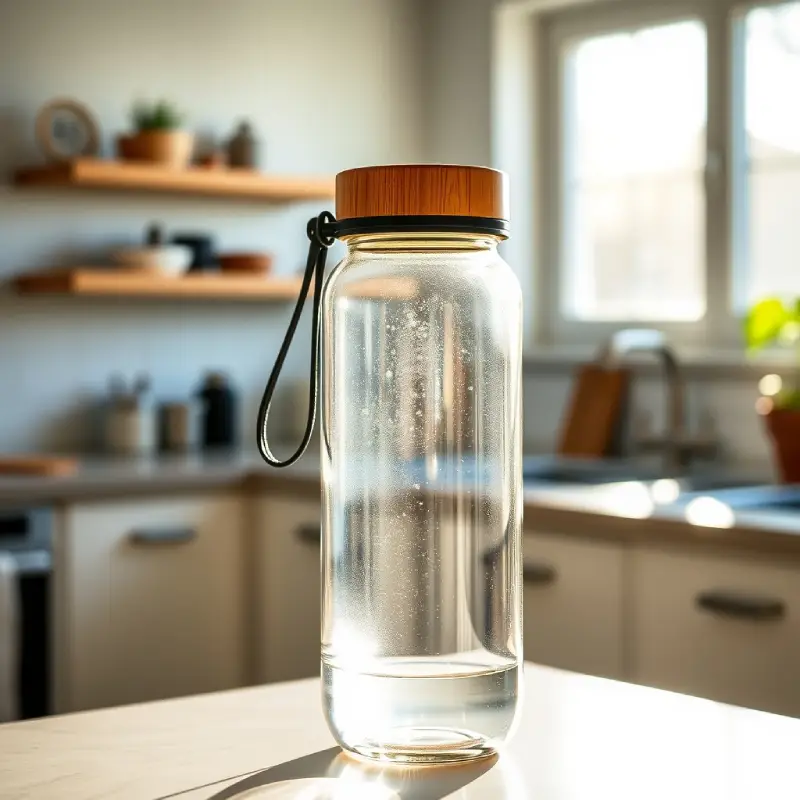
When selecting a BPA-free bottle, finding the right size and style is crucial to ensure that it meets your specific needs and preferences. Consider the volume capacity of the bottle based on your typical hydration requirements during sports or outdoor activities. For individuals who prefer compact and lightweight options, slim-designed bottles with smaller capacities may be more suitable.
On the other hand, those who require larger volumes of hydration may opt for wider-mouthed bottles with higher capacities. Additionally, consider the style and features of the bottle, such as flip-top lids, straw designs, or integrated handles, based on your convenience and usability preferences.
Eco-Friendly Options for BPA-Free Sports Bottles
In recent years, there has been a growing emphasis on eco-friendly alternatives for BPA-free sports bottles to minimize environmental impact. Many manufacturers have introduced sustainable materials such as recycled stainless steel or glass in their bottle production processes. Additionally, some brands offer reusable silicone sleeves or bamboo accents to reduce the use of plastic components in their bottles.
By choosing eco-friendly BPA-free sports bottles, consumers can contribute to environmental conservation efforts while enjoying the benefits of safe and reusable hydration solutions.
Making the Switch: Transitioning to a BPA-Free Bottle
Transitioning to a BPA-free bottle is a proactive step towards safeguarding your health and reducing environmental harm. Start by assessing your current usage of plastic bottles containing BPA and gradually replacing them with BPA-free alternatives. Educate yourself about the potential health risks associated with BPA exposure and spread awareness among friends and family members to encourage them to make the switch as well.
By making informed choices and supporting brands that prioritize BPA-free materials, you can contribute to a healthier lifestyle for yourself and promote sustainable practices within your community. In conclusion, choosing the best BPA-free bottle involves understanding the potential health risks associated with BPA exposure, considering various factors such as material, size, and style, and exploring eco-friendly options.
By prioritizing safety, durability, and sustainability in your selection process, you can find a BPA-free bottle that aligns with your individual needs while making a positive impact on your health and the environment.
To learn more about the nano antibacterial features in Mania products, don’t miss the article Nano-Antibacterial Standard in Mania Products.
FAQs
- What is BPA and why is it harmful?
BPA, or bisphenol A, is a chemical used in the production of certain plastics and resins. It has been linked to potential health risks, including hormone disruption, reproductive problems, and other health issues. It is especially concerning when it leaches into food or beverages from containers made with BPA.
- What are the factors to consider when choosing a BPA-free bottle?
When choosing a BPA-free bottle, consider the material it is made from, its durability, ease of cleaning, size and style, and whether it is suitable for your specific needs, such as sports or outdoor activities.
- What are the best BPA-free bottles for sports and outdoor activities?
The best BPA-free bottles for sports and outdoor activities are typically made from durable materials such as stainless steel, Tritan plastic, or silicone. They should also have features such as leak-proof lids, insulation, and a comfortable grip for on-the-go use.
- What are the different materials used for BPA-free bottles and how do they compare?
Common materials used for BPA-free bottles include stainless steel, Tritan plastic, silicone, and glass. Each material has its own advantages and disadvantages in terms of durability, insulation, weight, and environmental impact.
- How should I maintain and clean my BPA-free sports bottle?
To maintain and clean your BPA-free sports bottle, it is important to regularly wash it with warm, soapy water and allow it to air dry. Some bottles may also be dishwasher safe, but always check the manufacturer’s instructions. Additionally, be sure to regularly check and replace any worn or damaged parts, such as seals or lids.
- How do I find the right size and style for my BPA-free bottle?
When choosing the right size and style for your BPA-free bottle, consider factors such as how much liquid you need to carry, whether you prefer a wide-mouth or narrow-mouth opening, and any additional features you may need, such as a built-in straw or handle.
- What are some eco-friendly options for BPA-free sports bottles?
Eco-friendly options for BPA-free sports bottles include bottles made from recyclable materials, such as stainless steel or glass, as well as bottles that are designed for long-term use and durability, reducing the need for frequent replacements.
- How can I transition to using a BPA-free bottle?
To transition to using a BPA-free bottle, start by gradually replacing your existing plastic bottles with BPA-free alternatives. Consider donating or recycling your old bottles, and be mindful of choosing BPA-free options for future purchases.
