
 Kitchen products
 Stainless steel products
 Serving & Hospitality Products
 Sports products
 Home Products
 Kids Products
 Glass products
 Picnic Products
How to Keep Your Sports Water Bottle Clean and Long-Lasting
Keeping your sports water bottle clean and well-maintained is essential for both your health and the longevity of the bottle itself. With regular use, sweat, dirt, and bacteria can accumulate, potentially contaminating your water and affecting its taste.
By adopting simple cleaning habits and understanding the best materials and practices for maintenance, you can ensure your sports bottle remains a reliable companion during workouts and outdoor adventures.
In this article by Mania, we’ll share five crucial tips to help you keep your bottle clean and long-lasting, ensuring you stay hydrated safely and effectively.
Understanding the Importance of a Clean Water Bottle
Health Risks of a Dirty Bottle
Let’s face it: our water bottles can be a breeding ground for bacteria and mold. A study once found that reusable water bottles can contain more germs than a toilet seat. Yikes! If you’re sipping from a bottle that hasn’t seen soap and water in a while, you could be inviting all sorts of unwelcome roommates such as E. coli and Salmonella to join you on your hydration journey. So, keep those germs at bay and your immune system happy by maintaining a squeaky clean bottle.
For a deeper understanding of hygiene in sports bottles, read our guide on the difference between protein shaker bottles and sports water bottles.
Impact on Water Taste and Quality
Imagine taking a big swig of what you thought was refreshing water, only to be hit with a funky, stale taste reminiscent of last week’s gym socks. Not ideal, right? A dirty water bottle can leave a residue that compromises the taste and quality of your hydration. Oils, residual flavors from drinks, and even soap scum (yes, that’s a thing) can all invade your sip.
If you want your water to taste like, well, water and not a science experiment, regular cleaning is essential!
Daily Cleaning Routines for Your Sports Water Bottle
Recommended Cleaning Frequency
If your water bottle sees daily action (and let’s be real, it should), you should give it a good scrub at least once a day. If it’s your loyal sidekick during the daily grind or the weekend hike, daily cleaning will keep it fresh.
If you’ve been sipping smoothies, juices, or anything fragrant, consider a rinse right after use to stave off any icky buildup. Remember: a happy bottle equals a happy you!
Need help finding the right bottle for daily use? Check out our article on the best workout water bottles to choose one that suits your lifestyle.
Simple Soap and Water Method
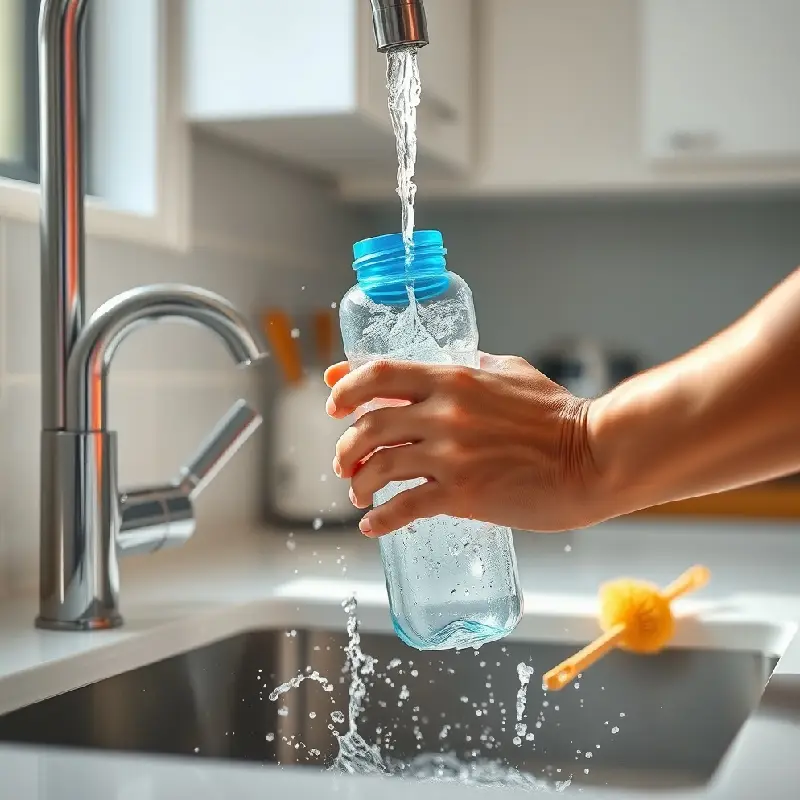
Cleaning your bottle doesn’t have to be a colossal chore. Just grab some dish soap and warm water, and you’re in business! Mix a few drops of soap into your bottle, fill it with warm water, give it a good shake, and then use a bottle brush to reach the nooks and crannies. Rinse well to avoid any soap residue tasting like your cheap hotel soap (trust me, you don’t want that). Voilà! You’re good to go!
Deep Cleaning Techniques for Stubborn Bacteria
Using Vinegar and Baking Soda
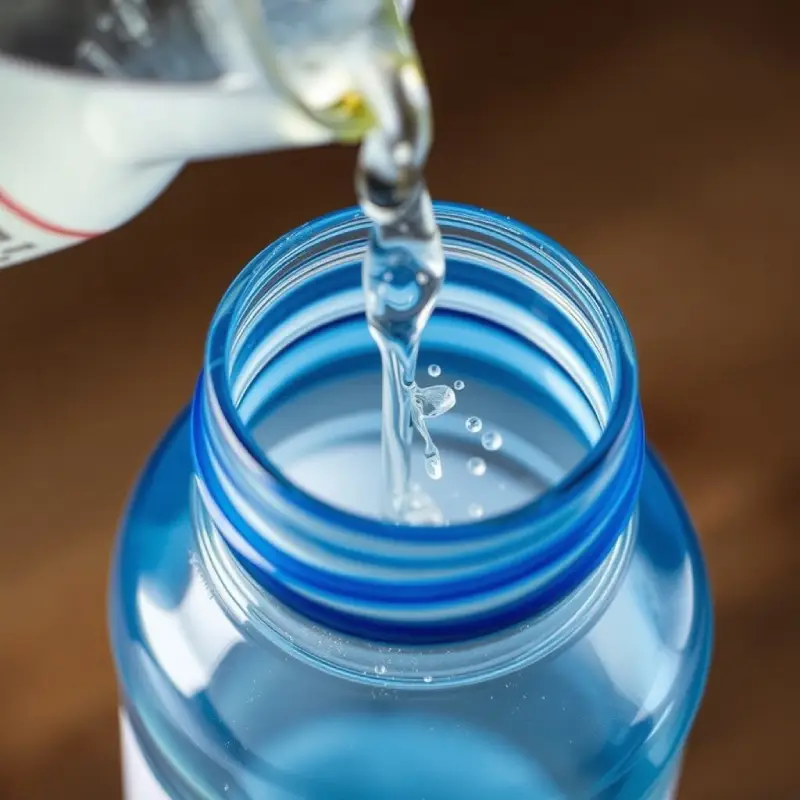
For those times when your bottle needs a little extra love, vinegar and baking soda are your trusty sidekicks. Pour in a couple of tablespoons of baking soda followed by a splash of vinegar (watch it fizz!), and fill the bottle with warm water. Let it sit for about 15 minutes before giving it a shake. Rinse thoroughly, and your bottle will feel like it just got a spa day—bacteria be gone!
Effective Use of a Bottle Brush
A bottle brush is like the superhero of bottle cleaning. With its long handle and bristles, it can tackle stubborn stains and grime lurking in the depths of your bottle. Use it with soapy water or your vinegar concoction for the ultimate clean. Don’t skimp on the brush time: make sure to scrub all surfaces, including the neck and the cap—because that’s where the stealthy germs like to hang out, plotting their next move against your hydration.
Choosing the Right Materials for Durability
Comparison of Plastic, Stainless Steel, and Glass Bottles
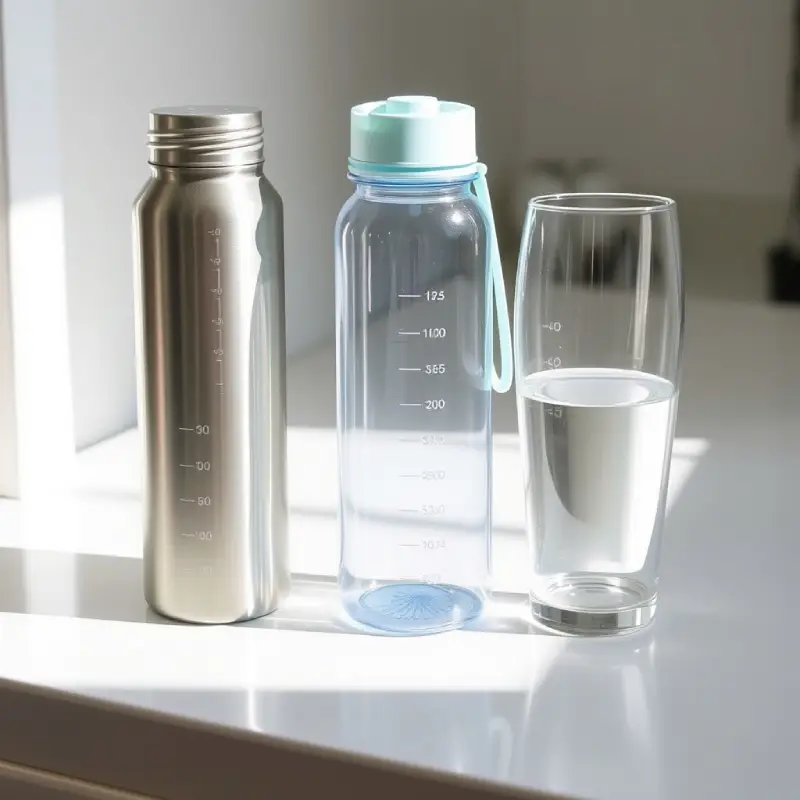
When it comes to selecting your hydration vessel, you’ve got options! Plastic bottles are lightweight and often the most affordable, but they can retain odors and can be prone to scratches over time. Stainless steel bottles are tough, keep your drinks cold (or hot), and are generally more durable.
Glass bottles, though beautiful and eco-friendly, can be a bit heavy and fragile. Ultimately, consider your lifestyle and choose a bottle that can stand up to your caffeine-fueled adventures—or, you know, hydrating strolls to the fridge.
Want to learn more? Read our detailed guide on the best materials for sports water bottles.
Understanding BPA-Free Options
If you opt for plastic, definitely look for BPA-free options. BPA, or bisphenol A, is a chemical found in certain plastics that has been linked to health risks. Nowadays, many manufacturers offer BPA-free choices, so you can sip away without the worry of chemical contaminants joining your hydration party. Just because it’s plastic doesn’t mean it has to be problematic—make informed choices and choose wisely!
Avoiding Common Mistakes That Damage Water Bottles
Never Place in the Dishwasher
As tempting as it may be to toss your water bottle in the dishwasher and let those heated jets work their magic, resist that urge! Many bottles, especially those made of plastic or featuring silicone seals, can warp, crack, or lose their integrity in the heat. Instead, a little elbow grease and warm soapy water will do the trick without risking your bottle’s health.
Steering Clear of Harsh Chemicals
When it comes to cleaning your water bottle, it’s best to keep the heavy-duty cleaners for the bathroom and kitchen counters. Harsh chemicals can leave a nasty residue that not only affects the taste of your water but can also be harmful to your health.
Stick to gentle dish soap or a solution of baking soda and vinegar for a natural cleaning approach that’ll keep your bottle sparkling without the scary side effects.
Best Practices for Storing Your Water Bottle
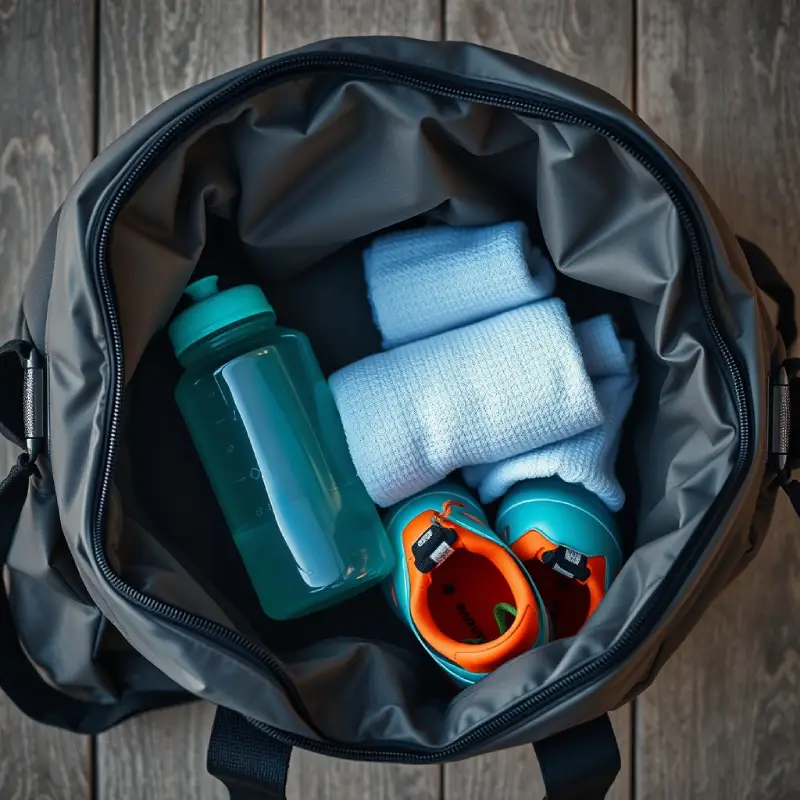
Optimal Storage Conditions
Storing your water bottle may seem straightforward, but there are a few quirks to consider. Keep it in a cool, dry place away from direct sunlight to prevent any material degradation. If your bottle is made of plastic, the UV rays can turn your trusty hydration companion into a brittle shell of its former self.
Consider storing it upright to avoid any leaks and to keep it from picking up any mystery odors from below.
Keeping the Cap and Straw Clean
Let’s be real: the cap and straw are guilty of harboring all sorts of unsavory bacteria. If your bottle has a straw (or even if it doesn’t), don’t forget to give them a good scrub! Soak them in a warm, soapy solution, or use a bottle brush to reach those hard-to-clean spots.
And remember, they’re just as important as the bottle itself when it comes to keeping your hydration habits healthy.
Tips for Maintaining Hydration and Hygiene on the Go
Portable Cleaning Solutions
Who says you can’t be a hydration hero while on the move? Pack some portable cleaning supplies like sanitizing wipes or a travel-sized bottle of mild soap.
A quick wipe down after a long hike or gym session can prevent any funky build-up from taking residence in your bottle. Just a few seconds of on-the-go cleaning can save you from a hydration disaster later.
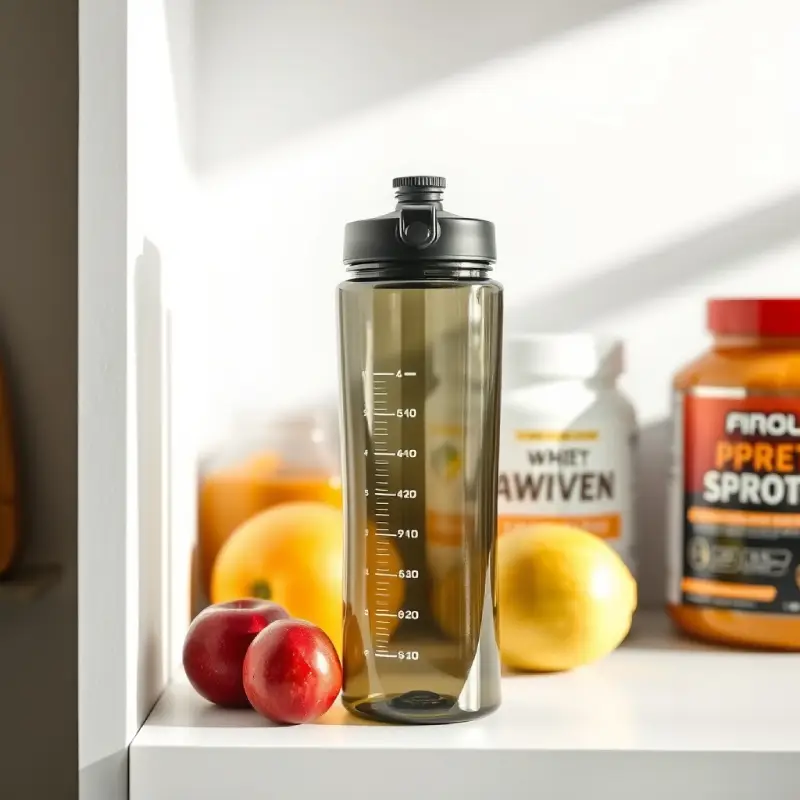
Using Insulated Bags for Storage
When you’re out and about, keep your water bottle in an insulated bag to help maintain its temperature and prevent any accidental bumps or bruises. Not only does this keep your drink cool (or hot, if that’s your jam), but it also adds a layer of protection against the elements.
Plus, you’ll feel like a hydration aficionado with your stylish, insulated carrier!Maintaining a clean and durable sports water bottle is key to ensuring your hydration remains safe and enjoyable. By incorporating these tips into your routine, you can protect your health and extend the life of your bottle. Remember, a little effort goes a long way in preserving the quality of your water and enhancing your overall sports experience.
With proper care, your water bottle will be ready to support you on every adventure for years to come.
Frequently Asked Questions
How often should I clean my sports water bottle?
It is recommended to clean your sports water bottle after every use, especially if you’ve filled it with anything other than water. For a deep clean, aim for once a week.
Can I put my sports water bottle in the dishwasher?
Most plastic and stainless steel bottles are not dishwasher safe, as high temperatures can warp or damage them. It’s best to hand wash with mild soap and warm water.
What is the best way to remove odors from my water bottle?
To eliminate odors, try filling the bottle with a mixture of vinegar and water, letting it sit for a few hours, then rinsing thoroughly. Baking soda is also effective for tackling stubborn smells.
Are there specific materials I should look for in a sports water bottle?
Look for bottles made from stainless steel, BPA-free plastic, or glass, as these materials are durable, safe for health, and help preserve the taste of your water.
